Tuesday, 11 November 2014

SCARS, STRETCH MARKS, INJURY AND OILS....

So, for a while I have been researching on oils (actually university material based on research). It seems like some oils are your best friend when it comes to scars and stretch marks.


STRETCH MARKS....
These occur when there is rapid expansion of the body, causing the skin to stretch beyond its natural capacity.
This causes micro-tears that form visible scars and are very stubborn. They are like those childhood scars that we carry on to our sunset years.
The stretching could be due to various factors eg:
♣ Pregnancy
♣ Rapid weight gain, especially due to medicine and hormonal contraceptives.
♣ Rapid weight loss, also due to illness, medicine or hormonal contraceptives > In this case, probably there were stretch marks but they were not visible due to the skin stretching.
♣ Rapid weight gain, then weight loss, then weight gain, then loss....
The factors vary.

♥STRETCH MARKS ARE BEST DEALT WITH PRO-ACTIVELY...
Once you realize that you may be rapidly expanding, eg early pregnancy, start using oils and serums then, so that the skin heals as fast as its injured.
If you start medication that may possibly cause weight, also use the oils and emollients.
You don't have to slather yourself with the oils; just mix a small portion to your normal body lotion (like a quarter of the lotion should be castor or shea butter or cocoa butter.

*** Scars? Stretch marks? Dehydrated skin? Uneven skin tone? Deal it all at once with Bio Oil! Find out how >>> ***


♠THE SCARS ALREADY EXIST... how do we go about it?
So far, the most celebrated products for scars are shea butter and castor oil.
For example, after an accident or surgery, incorporate these oils when cleaning the wound.
Not only will the scar be minimized, but heal faster.


♣Castor oil is well known for healing properties. The oils will encourage faster healing, as well as preventing scars to form or if they do, they are barely noticeable!!!
※I personally mix castor-shea cream with my lotions and the results are remarkable!!※
Shea butter and castor oil make the skin more supple and thus prevent easy scarring. This is best when you are using medicine that causes dry skin, or you are in a very dry area. They also help heal and prevent sun burns too.

OF SERUMS AND OILS...
Serums are basically a more concentrated combination of various fatty acids of a particular oil or herb and are often sold in tiny bottles.
Some serums do work in erasing scars; provided you start using them BEFORE or IMMEDIATELY after the injury.
Downside: hard to find and often very expensive

There are oils that have healing properties for the skin.

♥One such oil is Shea butter. Whether used on its own or in an oil mix, it makes a very potent scar healer, even if the scars have matured.

♥Another super oil is Castor oil. This oil penetrates deep into the scar tissue and dissolves it, while encouraging healthy re-growth of cells in that area. This makes it a good fade oil for scars. When used IMMEDIATELY after injury, the skin will heal and there will barely be a scar (unless stitching was involved).

The best part is that castor oil is VERY affordable and a little goes a LONG way so you will rarely purchase another bottle in months (unless you start using it on your hair for growth and nourishing... then you get addicted!!!)
With a comedogenic value of 1, castor oil will hardly block your pores; its absorbed completely!!

Shea butter has comedogenic value of 0 so it is COMPLETELY absorbed by the skin (despite its rock-hard consistency!!). You can whip it with castor oil to make a creamy body butter.

If you are for the more economic option,
you can start with the shea+castor mix, and you should notice a difference within a month (and an addiction afterwards.....)  The anti-bacterial, anti-viral and healing properties combined with the shea's nourishing and super-healing aspects should give your skin a boost.

♦The best part is that your ENTIRE body will have an even tone..♦

So, there you have it; a small bit on scars and what you can use to heal and erase them.
This is Serenity!!!

***

Sunday, 9 November 2014

YUMMY YOGURT!!!

WHAT IS IT?
Yoghurt (yogurt/yogut/joghurt) is a dairy food whose main ingredients are MILK and BACTERIA.
In as much as there are people experimenting with non-dairy milk, most of the yoghurt in the grocery store is made of dairy milk 
(rare cases:goat/camel/sheep milk - super- healthy milks by the way..)

HOW IS IT MADE?
Yoghurt is produced by bacterial fermentation of milk.
The bacteria used to make yogurt are known as "yogurt cultures".

Fermentation of lactose by these bacteria produces lactic acid, which acts on milk protein to give yogurt its texture and its characteristic tang.
Dairy yogurt is produced using a culture of Lactobacillus delbrueckii subspecies, bulgaricus and Streptococcus thermophilus bacteria. In addition, other lactobacilli and bifidobacteria are also sometimes added during or after
culturing yogurt. 

Some countries require yogurt to contain a certain amount of colony-forming units of microorganisms.
The milk is first heated to about 80 °C (176 °F) to kill any undesirable bacteria and to denature the milk proteins so that they set together rather than form curds, although some cultures prefer the curds.
The milk is then cooled to about 45 °C (112 °F). The bacterial culture is added, and the temperature of 45 °C is maintained for 4 to 7 hours to allow fermentation.

CAN YOU MAKE IT AT HOME?
Yes you can.
All you need is a starter yoghurt (just buy some yoghurt) and add it to the milk.
You can also use bacteria starters (you can buy the bacteria at your pharmacy or health store.. but you have to know the names of the bacteria you are buying!!!)
Maintaining the mixture at the recommended temperatures (45 degrees or so) in a food flask, or in the oven while leaving the oven light on to maintain the temperatures.
Avoid the temptation to stir or shake as it ferments; otherwise your yoghurt will have  a very thin consistency. Let it set without any disturbance; then you can carefully filter out the liquid WHEY protein that has seperated from the CASEIN protein that has curdled (yoghurt).
For thicker consistency, you can add some gelatin used to make home-made jelly after filtering. 
+++Don't use bad milk; otherwise you risk infesting your gut with bad bacteria (the ones that putrefy/rot food)+++

HEALTH BENEFITS
Yoghurt has many nutritional benefits.

It is a source of animal protein (about 9 grams per 6-ounce serving), plus several other nutrients found in dairy foods, like calcium, vitamin B-2, vitamin B-12, potassium, and magnesium.

Yoghurt is a good source of live pro-biotics;
Probiotics are "friendly bacteria" that are naturally present in the digestive system. 

Yoghurt also helps you recover faster after work outs. With the right ratio of protein to carbohydrates, yogurt makes an excellent post-sweat-session snack.

Provides dairy nutrition to those with lactose intolerance;
Lactose is the main carbohydrate found in milk and dairy products and is digested by the enzyme lactase into its absorbable components.
Lactose indigestion occurs when insufficient amounts of the enzyme lactase are available in the gut to digest lactose.
Research has shown that the lactose that is present in yogurt is better tolerated by individuals with low production of lactase.
This may be due to several factors including:
-the activity of live bacteria in the yogurt or the digestive action of other enzymes on lactose such as bacterial β-galactosidase.
- The increased viscosity of yogurt compared with milk has also been suggested as a potential explanation, as this may result in slower emptying from the stomach and thus a longer transit through the gastrointestinal tract, which in turn may improve the absorption and reduce the amount of lactose present in the colon.

Whatever the explanation, the science consistently shows that yogurt is well tolerated by individuals who have lactose intolerance.

YOGHURT TREATS....
♥ Yoghurt can be enjoyed as it is; or with fruit or cereal.
♥ You can enjoy a cup of frozen yoghurt, as a healthy alternative to ice cream.
♥ You can make ice lollies/ ice-on-stick with t your yoghurt.
Depending on how creative you are, you can always enjoy a cup of yoghurt and keep healthy at the same time!!


This is Serenity!!!

****


source:
http://en.m.wikipedia.org/wiki/Yogurt
http://www.m.webmd.com/food-recipes/features/benefits-yogurt
http://www.fitnessmagazine.com/recipes/healthy-eating/nutrition/health-benefits-of-yogurt/
http://www.milk.co.uk/page.aspx?intPageID=8


Saturday, 8 November 2014

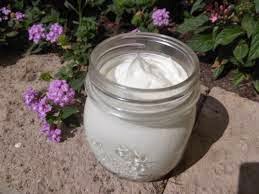
WHY I LOVE MY SHEA BUTTER AND CASTOR OIL WHIPPED CREAM...

Castor oil and Shea butter whipped cream....

I just love my castor oil and shea butter mix... i just mix it with my favourite body lotion, and leave some in a small tub for massaging my lips, feet, hands before I sleep or after injury (especially cuts and burns!!!)

♠I personally used a mix of coconut and castor oil to dissolve a wart on my finger... it had been there since my pre-teens, and 4 years after the treatment, the wart and its scar are missing!!!
I would apply a drop after showering, and before sleeping; covered the wart with some cotton wool and within a week, it was gone!!!♠

Christened “The Hand of Christ” in the Middle Ages because of it’s miraculous healing power, castor oil is one of the most amazing healing substances.
Nearly 90% of this fatty acid is ricinoleic acid; a substance unique to castor oil and thought to be the reason for it's effectiveness in preventing the growth of many bacteria, viruses (causes of warts and moles), yeast and molds.

♣RINGWORM TREATMENT
Ringworm is known to be a stubborn condition to treat, but one of the active compounds of Castor Oil (Undecylenic Acid) has been found to be very effective at treating this fungal infection.

♣WRINKLE TREATMENT
castor Oil keeps the skin looking smooth, youthful and unlined.
Castor oil’s ability to penetrate more deeply than any other essential plant oil make it an excellent way to keep skin looking youthful and fresh.
Castor oil is a natural emollient that penetrates the skin and helps stimulate the production of collagen and elastin which can soften and hydrate the skin. Therefore, it is a wonderful natural treatment for wrinkles since it restores and rejuvenates skin's natural youthful appearance by making skin smoother, softer and pliant

♣Prevention of scar formation
Castor oil protects the skin from scar formation
especially when applied on wounds, cut or after
surgery. There are several studies proving that
castor oil may lessen scar formation.

♣Scar healing
You may use castor oil for healing scars as the oil
possesses the healing effect on scars.
※Unfortunately, it cannot stimulate the growth of new skin and diminish the scar completely※. However, castor oil affects healthy and abnormal cells.
As far as abnormal cells are concerned the oil may dissolve cells of the scar tissue. Scars become less vivid.

Castor Oil will remove moles and warts (apply heat for faster results) Rub castor oil into moles or warts every night. The moles (or warts) will start to shrink over a few weeks, and continued use will eventually remove the mole without any scarring.
Complete removal may take 2-3 months, but this slow healing will also ensure there is no “hole” in your skin. (The surgical removal of moles will often leave a hole where the mole was. This indentation can often be permanent.)

♠I personally used a mix of coconut and castor oil to dissolve a wart on my finger... it had been there since my pre-teens, and 4years after the treatment, the wart and its scar are missing!!!
I would apply a drop after showering, and before sleeping; covered the wart with some cotton wool and within a week, it was gone!!!♠

Castor Oil breaks up external and internal scar tissue, and prevents new scars from forming.
Castor oil will penetrate deep into the tissues to slowly break up scar tissue.
※Amazingly, castor oil is able to distinguish between healthy cells and abnormal ones※.

In healthy cells, castor oil will detoxify and stimulate them, while increasing circulation.
In abnormal cells like scar tissue and growths, castor oil will instead work to aggressively dissolve cells thanks to its solvent property.
Remarkably, applying castor oil after surgery, cuts or wounds will also minimize scar formation.

This could be because of castor oil’s ability to increase our body’s lymphocytes of this, castor oil packs are especially useful for people with HIV or AIDS).
Lymphocytes, or white blood cells, appear to regulate wound healing. And studies have shown that T lymphocytes may play an important role in wound healing and scar formation

♣Castor Oil prevents hair loss and regenerates hair
The anti-bacterial and anti-fungicidal properties of ricinoleic acid in castor oil protects the scalp and hair from infections that can cause hair loss.

♣Castor Oil softens thick calluses and removes corns

Castor oil application will soften any rough or thickened skin, including calluses and corns. To treat corns, apply castor oil over your feet and put
cotton socks on before going to bed.
(Incidentally, sleeping with castor oil socks on will also soothe painful heels and foot pain.)


♦♦Comedogenicity ;
This is the degree to which an ingredient may clog your pores

How comedogenic is castor oil?
It has a rating of 1 meaning its low on comedogenic properties. Shea butter rocks at "0"!!!
0 - Will Not Clog Pores
1 - Low
2 - Moderately Low
3 - Moderate
4 - Fairly High
5 - High♦♠

It might seem like shea butter is too heavy but it is non-comedogenic (it doesn’t clog pores). Neither does coconut oil or jojoba oil.
Glycerin - 0 (Not often used as a stand-alone moisturizer, but is a frequent addition to items such as lip balms.)

Stay youthful,,,
This is Serenity!!!

Related articles:

source :
http://oilypedia.com/castor-oil-for-scars-get-to-know-how-to-use-it-effectively/
http://lyranara.me/2014/02/05/castor-oil-for-beautiful-skin-and-hair/


"If Today Was Your Last Day" - Nickelback

"If Today Was Your Last Day" by Nickelback


My best friend gave me the best advice
He said each day's a gift and not a given right
Leave no stone unturned, leave your fears behind
And try to take the path less traveled by
That first step you take is the longest stride

If today was your last day
And tomorrow was too late
Could you say goodbye to yesterday?
Would you live each moment like your last?
Leave old pictures in the past
Donate every dime you have?
If today was your last day

Against the grain should be a way of life
What's worth the prize is always worth the fight
Every second counts 'cause there's no second try
So live like you'll never live it twice
Don't take the free ride in your own life

If today was your last day
And tomorrow was too late
Could you say goodbye to yesterday?
Would you live each moment like your last?
Leave old pictures in the past
Donate every dime you have?
Would you call old friends you never see?

Reminisce old memories
Would you forgive your enemies?
Would you find that one you're dreamin' of?
Swear up and down to God above
That you finally fall in love

If today was your last day
Would you make your mark by mending a broken heart?

You know it's never too late to shoot for the stars
Regardless of who you are
So do whatever it takes
'Cause you can't rewind a moment in this life
Let nothin' stand in your way
Cause the hands of time are never on your side

If today was your last day
And tomorrow was too late
Could you say goodbye to yesterday?
Would you live each moment like your last?
Leave old pictures in the past
Donate every dime you have?
Would you call old friends you never see?
Reminisce old memories
Would you forgive your enemies?
Would you find that one you're dreamin' of?
Swear up and down to God above
That you finally fall in love
If today was your last day

This is Serenity....

******
 ****

Sunday, 2 November 2014

Your hair and nutrition; intertwined!!!

WHY YOUR NUTRITION AFFECTS YOUR HAIR...

Normally when we eat, the nutrients are taken to the most vital organs for life ie liver, heart, brain etc.
So, the last to get nourished are the least vital for life.. hair and nails!! This is why discoloured and brittle nails are a common sign of ailments due to nutrient deficiency...

Also...
Hair that is damaged will grow slower than normal, healthy hair.

Why?
Growth is slowed not only because of the hair damage itself, but because of the health of the scalp.
The scalp is where the hair follicles (call them seed  cells...,) are found, and damage to the scalp leads to damage to the follicles, hence weak or no hair!!!
So, when your skin is nourished inside out; so are your follicles hence strong, thick, healthy, lush hair!!! Its that simple!!

Nutrients Needed for Long Healthy Hair...
Proper nutrients are required in order for hair to grow properly. A healthy diet, supplemented with some key nutrients, can help you not only be healthier in general, but will result in healthier hair, skin and nails.
♠Essential Fatty Acids for Hair Growth
Essential fatty acids improve hair texture and help prevent breakage.
EFA's also assist in the hair growth cycle (anagen, telogen. etc..).
They help with blood circulation and cell growth. They can help promote a healthy scalp and may help increase nutrient absorption at the hair follicle. Deficiencies in EFA's actually lead to dry, brittle hair, breakage and hair loss.
Essential fatty acids are found in;
※fish,
※nuts
※and seeds.
※You can also get them by taking a daily supplement of flax seed oil
※fish oil (omega 3 capsules; also good for joint care!!)

♠B-Complex Vitamins for Hair Growth
. B vitamins are responsible for hundreds of biological processes throughout the body.
♦B6 promotes healthy hair be keeping the scalp healthy.
♦Biotin (B7) is used by the body to promote cell growth and produce fatty acids, both of which are important for hair growth and health. In fact, a deficiency of this vitamin can lead to thinning hair

♠Vitamin C for Hair
Vitamin C improves scalp circulation and is vital for preventing hair loss.
Vitamin C plays a vital role in the production of collagen, the building blocks of healthy skin and hair

♠Vitamin E for Hair Growth and Health
Vitamin E contributes to the growth of capillaries, which improve circulation to the scalp and helps prevent hair loss. Increased circulation also helps
promote faster hair growth in many people.

Eat clean and healthy...
You can easily up your vitamin uptake by having a healthy diet; and supplementing where necessary using vitamin and mineral complexes;
These supplements can be easily accessed at your online health store. 


Stay beautiful;
This is Serenity!!!


Thursday, 30 October 2014

Antioxidants.....

Antioxidants, oxidative stress... etc

Antioxidants are intimately involved in the prevention of cellular damage; the common pathway for cancer, aging, and a variety of diseases.


WHAT ARE ANTI-OXIDANTS?
An antioxidant is a molecule that inhibits the oxidation of other molecules.
Oxidation is a chemical reaction that transfers electrons or hydrogen from a substance to an oxidizing agent . 

Oxidation reactions can produce free radicals. In turn, these radicals can start chain reactions . When the chain reaction occurs in a cell , it can cause damage or death to the cell.
Antioxidants terminate these chain reactions by removing free radical intermediates, and inhibit other oxidation reactions. They do this by being oxidized themselves, so antioxidants are often reducing agents such as thiols , ascorbic acid, or polyphenols.

Why we need anti-oxidants...
Although oxidation reactions are crucial for life, they can also be damaging; plants and animals maintain complex systems of multiple types of antioxidants, such as glutathione , vitamin C , vitamin A, and vitamin E as well as enzymes such as catalase , superoxide dismutase and various peroxidases.
Insufficient levels of antioxidants, or inhibition of the antioxidant enzymes, cause oxidative stress and may damage or kill cells.

OXIDATIVE STRESS;
Free radicals are atoms or groups of atoms with an odd (unpaired) number of electrons and can be formed when oxygen interacts with certain molecules.
While our bodies use up about 98% of oxygen, the unused oxygen remains active and thus starts the chain reactions that lead to oxidative stress.
In humans, oxidative stress is thought to be involved in the development of;
※cancer
※Parkinson's disease,
※Alzheimer's disease
※atherosclerosis ,
※heart failure
※myocardial infarction
※fragile X syndrome
※Sickle Cell Disease
※lichen planus
※vitiligo
※autism
※infection
※chronic
※fatigue syndrome.

Sources of anti-oxidants;
Although there are several enzyme systems within the body that scavenge free radicals, the principle micronutrient (vitamin) antioxidants are vitamin E, beta- carotene, and vitamin C.
Additionally, selenium, a trace metal that is required
for proper function of one of the body's antioxidant enzyme systems, is sometimes included in this category.
The body cannot manufacture these micronutrients so they must be supplied in the diet.

Vitamin E : d-alpha tocopherol. A fat soluble vitamin present in nuts, seeds, vegetable and fish oils, whole grains (esp. wheat germ), fortified cereals, and apricots.
Current recommended daily allowance (RDA) is 15 IU per day for men and 12 IU per day for women.

Vitamin C : Ascorbic acid is a water soluble vitamin present in citrus fruits and juices, green peppers, cabbage, spinach, broccoli, kale, cantaloupe, kiwi, and strawberries.
The RDA is 60 mg per day. Intake above 2000 mg may be associated with adverse side effects in some individuals.

Beta-carotene is a precursor to vitamin A (retinol) and is present in liver, egg yolk, milk, butter, spinach, carrots, squash, broccoli, yams, tomato,
cantaloupe, peaches, and grains.
Because beta-carotene is converted to vitamin A by the body there is no set requirement.
Instead the RDA is expressed as retinol equivalents (RE), to clarify the relationship.

(NOTE: Vitamin A has no antioxidant properties and can be quite toxic when taken in excess.)


This is Serenity!!!

Related articles:

Image credit: simplyjas.com

call/text/whatsapp on +254725733412 for more information or email me at mburu.njeri88@gmail.com

source;
http://en.m.wikipedia.org/wiki/Antioxidant
http://www.rice.edu/~jenky/sports/antiox.html
http://en.m.wikipedia.org/wiki/List_of_antioxidants_in_food

Tuesday, 28 October 2014

25 Most Popular Dog Breeds and Their Health Issues

25 Most Popular Dog Breeds and Their Health Issues

Siberian Husky: Autoimmune Disorders

Siberian Huskies seem to be predisposed to a variety of autoimmune disorders, many of which affect the skin. These conditions cause sores and hair loss, often on the face. One immune condition affects both the skin and the eyes and can lead to eye problems like glaucoma and cataracts. Treatment for these disorders is corticosteroids to inhibit the immune system.

Bulldog: Respiratory Problems'

Like all dogs with those adorable smashed-in faces, bulldogs can suffer from breathing problems. Your bulldog's small nostrils, elongated soft palate, and narrow trachea are the reasons why he probably snores, and they can lead to a life-threatening emergency if he gets overheated or overtired. That's why it's important to keep bulldogs cool in the summer and never overdo it with exercise.


Pug: Eye Problems

With their squashed faces and bulgy eyes, pugs are at risk for eye problems. The most serious is an eye popping out of its socket. This can happen if a pug gets into an accident or a fight with another dog. If this happens, cover the eye with a damp cloth and rush your dog to the vet. The vet can put the eye back in place, although whether the dog will retain vision in the eye depends on the severity of the damage.


German Shepherd: Hip Dysplasia

Many large breeds are prone to hip dysplasia. In hip dysplasia, the joint's ball and socket don't fit together properly, which causes pain, arthritis, and problems walking. When looking for a German shepherd puppy, ask the breeder whether the parents have been screened for hip dysplasia. Parents with healthy hips are more likely to produce puppies with healthy hips.

Labrador Retriever: Obesity

Any dog can become overweight, but labs are especially prone to it. And just like with people, obesity is linked to health problems in dogs. Labs need vigorous daily exercise. If your lab is constantly begging for more food, try giving her raw carrots, green beans, or apples to snack on. Since prevention is easier than weight loss, it's best to consult with your vet on a diet plan that's right for your pet.


Beagle: Epilepsy

Epilepsy, a brain disorder that causes seizures, seems to be more common in beagles than in other dog breeds. Epileptic dogs will usually have their first seizure between 6 months and 3 years old. Though epilepsy can't be cured, frequent seizures (more than one a month) can usually be managed with antiseizure medication.


Shih Tzu: Wobbly Kneecaps

Wobbly kneecaps, or patellar luxation, are extremely common in toy breeds like shih tzus. In patellar luxation, the kneecap occasionally pops out of place, causing the dog to hobble, skip a step, or limp. The kneecap will usually pop back into position on its own, but in severe cases, surgery may be necessary to correct the problem and prevent arthritis.


Boxer: Cancer

Boxers are at higher risk for certain types of cancer, including lymphoma and mast cell tumors. Lymphoma is cancer of the lymph nodes, and mast cell tumors are a type of skin cancer. In both cases, the cancer is often felt as an unusual lump or bump on your dog's body. Both of these cancers might be treatable, but it's important to catch them early. So if you have a boxer, be sure to check him regularly for lumps.


Dachshund: Back Problems

Because of their long bodies, dachshunds are at higher risk for back injuries and spinal disk problems. The best way to keep your dachshund feeling her best is to keep her at a healthy weight. Excess weight puts strain on the back. Also try to limit stair-climbing and jumping down from furniture, as it can also put stress on the back.


Doberman Pinscher: Heart Condition

Dilated cardiomyopathy (DCM) is a serious heart condition in which the heart's chambers are stretched out and don't pump blood effectively. Often, owners of dogs with DCM don’t even realize something is wrong until their dog collapses. Because DCM is so common in Dobermans, many vets suggest annual screenings. Medications can regulate heart rhythm and improve the heart's ability to pump, but there is no cure for DCM.


Cocker Spaniel: Ear Infections

Dogs like cocker spaniels with floppy, furry ears are prone to frequent ear infections. The best way to prevent ear infections is to clean your dog's ears every couple of weeks and occasionally flip her ears back to let them "breathe." Also trim any hair growing on the underside of the ears with clippers to help keep the ear canals dry. Minimizing the frequency of ear infections may also prevent major problems down the road.


Yorkshire Terrier: Portosystemic Shunt

Portosystemic shunt (PSS) is a blood vessel birth defect that's common in small breeds like the Yorkie. The portal vein carries toxins from the intestines to the liver, which cleans the blood. With PSS, the vein bypasses the liver, and toxins aren't removed. PSS may cause poor growth, vomiting, confusion, and seizures. Most of the time, PSS can be corrected with surgery, and the dog will go on to live a normal, healthy life.


Golden Retriever: Skin Allergies

Does it seem like your golden is constantly licking? Unlike people, dogs don't sneeze when they're allergic to something. Instead, they tend to get itchy skin. And frequent licking, scratching, and chewing can lead to hot spots (red, oozing sores). To soothe itchy skin, give your dog baths with oatmeal shampoo, add an omega-3 supplement to his diet, and make sure he has regular flea treatment.

Poodle: Glaucoma

Poodles are one of a handful of breeds that are at increased risk for this serious eye disease. Glaucoma is a buildup of fluid in the eye, which causes pressure, pain, and eventually blindness. Early on, glaucoma can be treated with medications. But surgery and even removal of the affected eye may be necessary.


Rottweiler: Joint Problems
Large breeds like the Rottweiler are at risk for a variety of joint problems, including hip dysplasia, elbow dysplasia, arthritis, and osteochondrosis dissecans (OCD). OCD is a condition that develops in large, fast-growing puppies in which the cartilage in a joint doesn't form properly. Feeding the right amount of a balanced diet may help keep your Rottweiler's joints healthy. However, many dogs require surgery to remove the abnormal cartilage.


Miniature Schnauzer: Diabetes

Has your miniature schnauzer been drinking water like he's just run a marathon? Is he suddenly having accidents in the house? He could have diabetes. Any dog can develop diabetes, but miniature schnauzers seem to be at higher risk. Diabetes is a serious condition, but with the insulin and diet changes your dog can live a normal, healthy life.


German Shorthaired Pointer: Aortic Stenosis

Aortic stenosis is a narrowing of the aorta, the large blood vessel that carries oxygen-rich blood from the heart to the body. Aortic stenosis puts strain on the heart and over time might cause an irregular heart rhythm. When aortic stenosis is mild, there may be no symptoms. In more severe cases, the dog may be weak and tire easily. Unfortunately, aortic stenosis usually shortens a dog's lifespan, but it can be managed with medications.

Great Dane: Bloat

Giant breeds like Great Danes are at higher risk for gastric dilation and volvulus, or bloat. This is a life-threatening condition that develops when the stomach fills up with gas and then twists, trapping food and gas in the stomach. If you notice your dog pacing, panting, and drooling excessively right after eating, call the vet right away. Bloat can be corrected with surgery, but it can be fatal if not treated quickly.


Shetland Sheepdog: Collie Eye

Shelties can be affected by a group of related eye problems known as "collie eye anomaly." Collie eye affects the retina and the optic nerve. Mild cases may not affect the dog's vision at all, but moderate to severe cases can lead to blindness. There is no treatment for collie eye, and it's fairly widespread among the breeds that are affected by it. So before you bring a Sheltie puppy home, ask if he’s been tested.


Maltese: Little White Shaker Syndrome

This funny-named condition is just what it sounds like: tremors in small dogs that are white (although dogs with other coat colors can get it, too). It's caused by inflammation in the cerebellum, which causes shaking that can be so bad the dog can barely walk. But the good news is that it's treatable with corticosteroids, it's not painful for the dog, and it usually subsides after a few weeks.


Boston Terrier: Cherry Eye

Because of their protruding eyes, Boston Terriers are susceptible to a number of eye problems, including cherry eye. In cherry eye, a tear-producing gland "pops out" from behind the dog's third eyelid. It's called cherry eye because the gland is round and bright red. Cherry eye can be repaired with surgery. Besides cherry eye, Boston Terriers are also at risk for dry eye, cataracts, and entropion (turned-in eyelids).


French Bulldog: Breathing Problems

Like his English cousin, the French bulldog is susceptible to breathing problems. Also known as brachycephalic airway syndrome, this set of breathing problems is a result of the breed's pushed-in nose, elongated soft palate, and narrow trachea. Extreme heat or too much exercise can cause a French bulldog to struggle to breathe, so it's best to keep him indoors on hot days.


Cavalier King Charles Spaniel: Mitral Valve Disease

This heart problem is common in elderly small dogs, but cavaliers often develop it early on. In mitral valve disease, the valve between the left atrium and ventricle doesn't close tightly, allowing blood to leak backward when the heart pumps. This puts strain on the heart. Symptoms include lethargy and coughing. With monitoring and the right medication, a dog with mitral valve disease can live for years with very few symptoms.


How to Pick a Healthy Purebred Pup

Do your research. Find out what health problems are common in the breed you’re interested in. Then, find a reputable breeder by asking for recommendations from friends or through a local breed club or rescue group. 
Once you've decided on a puppy, find out about the health of the parents, and make sure the puppy has been screened for breed-related health problems.

Related articles:

***
source: petmd.com

like and share..

Tweet Tweet...